
Cyber Security Guidance for Kent Businesses
Practical cyber security advice for SMEs that need to protect users, devices, Microsoft 365 accounts and business data without unnecessary complexity.
Explore guidance on endpoint protection, phishing, MFA, user access, cyber resilience, backup, monitoring and everyday security controls for growing businesses.
Popular Cyber Security Topics
Browse practical guides covering endpoint security, phishing protection, Microsoft 365 security, user risk and cyber resilience for SMEs.

Why Human Habits Are Your Biggest Security Risk
Most cyberattacks do not start with a sophisticated intrusion. They start with a click on a personal email, a reused password, or a file uploaded to a familiar cloud service because the approved option felt slower. The Verizon Data Breach Investigations Report found…

Is Your Invoice a Deepfake? Securing Your Accounts Payable Process Against Voice and Email Cloning
It’s a statistic that sends a shiver down the backs of SME owners, managers and employees. According to the FBI’s 2025 Internet Crime Report, business email compromise (BEC) cost US businesses more than $3 billion last year. This makes it one of the most…

Adversary-in-the-Middle Attacks: How Phishing Sites Steal Your Active Login
You click a link, sign in, approve the MFA prompt, and get on with your day. Completely unaware that someone else just logged into your account at the same moment. That scenario surprises many businesses, particularly those that rely on multi-factor authentication…
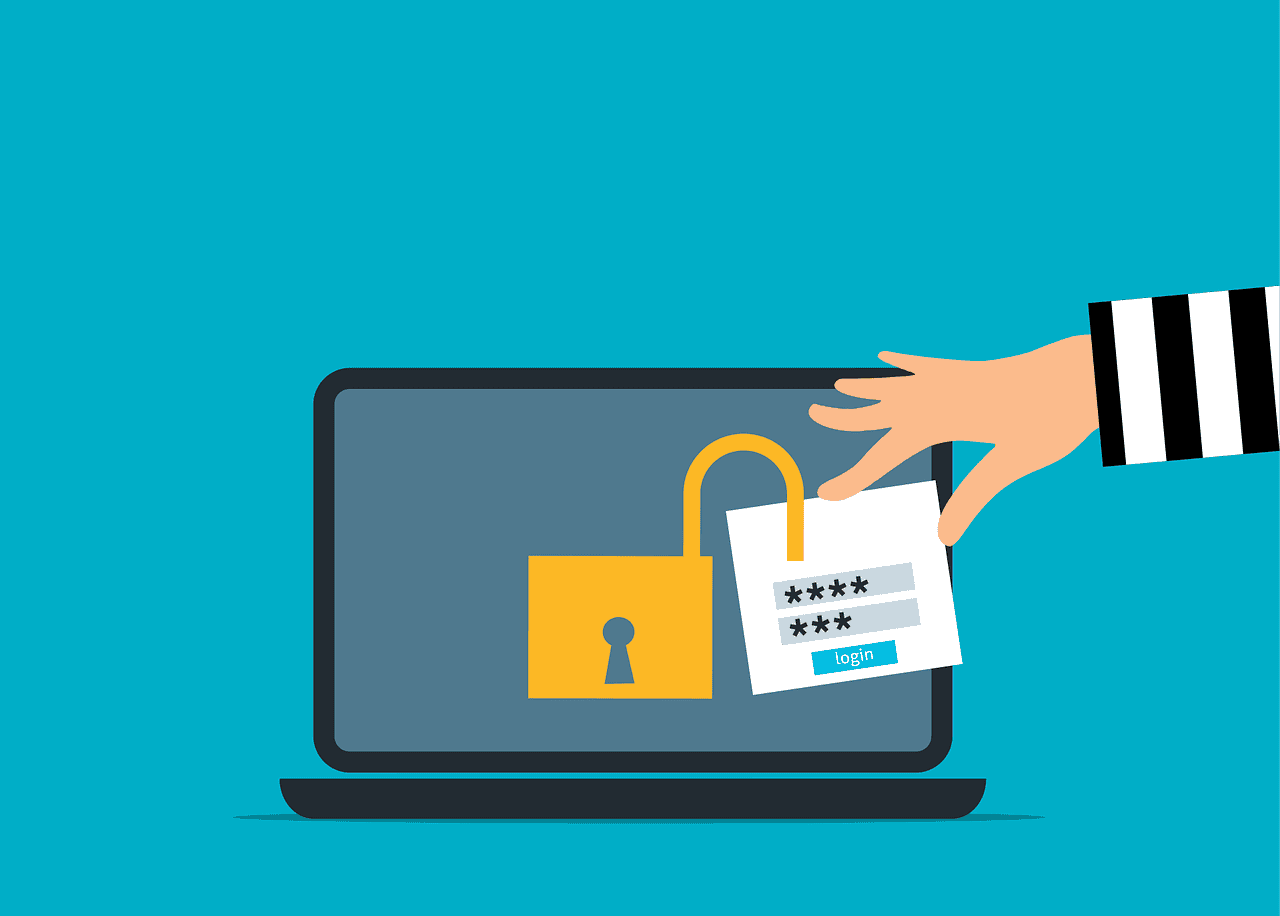
The “Session Cookie” Hijack: Why MFA Can’t Always Save You
MFA is a strong front-door lock. But it’s not the only thing that decides whether someone can get in. After you sign in, your browser keeps you logged in using a session token (often stored as a cookie). It’s the digital version of a wristband at an event: once you’ve…

Micro-SaaS Vetting: The 5-Minute Security Check for Browser Add-ons
Browser add-ons have a funny reputation. They feel “small”. A quick install. A tiny productivity boost. A harmless little helper that lives in your toolbar. But in practice, a browser extension is more like a micro-SaaS vendor sitting inside your browser session. It…

Cyber Security Kent: What Good Support Looks Like
Cyber security Kent firms can trust starts with reliable IT support, clear accountability and practical protection for Microsoft 365, backups and users.
Cyber Security Should Be Practical, Visible and Managed
For many SMEs, cyber security becomes difficult because responsibility is unclear. Antivirus may be installed, Microsoft 365 may have some security features enabled, and staff may receive occasional advice, but nobody has a joined-up view of the risks.
Good cyber security is not about adding unnecessary complexity. It is about applying sensible controls consistently, monitoring the right signals and making sure someone takes ownership when suspicious activity appears.
That includes protecting devices, securing Microsoft 365 accounts, reviewing user access, improving backup resilience and helping staff recognise common threats before they become business incidents.
The articles above explore practical ways Kent SMEs can strengthen cyber resilience while keeping day-to-day work moving.
Frequently Asked Questions
What cyber security controls do SMEs need first?
Most SMEs should start with the basics: multifactor authentication, endpoint protection, secure Microsoft 365 configuration, reliable backups, patching and clear user access controls.
Is antivirus enough for business cyber security?
Antivirus is only one layer. Businesses also need account protection, device management, backup, monitoring, phishing awareness and a clear response process for suspicious activity.
How does Microsoft 365 affect cyber security?
Microsoft 365 is often where business email, files and user access come together. If it is not managed properly, weak passwords, poor sharing controls or inconsistent MFA can create avoidable risk.
What is endpoint protection?
Endpoint protection secures the devices staff use every day, including laptops, desktops and mobile devices. It helps detect malware, suspicious behaviour and other risks before they disrupt the business.
How often should SMEs review cyber security?
Cyber security should be reviewed regularly, especially when users, devices, suppliers or Microsoft 365 settings change. A yearly review is useful, but active monitoring and ongoing management are more important.